The operational challenge
Mineral feed varies in size, hardness and reinforcement. Oversize pieces, steel content and inconsistent loading can all change production, wear and final output.
Bulky waste · Commercial waste · Construction & demolition waste
MINERAL PROCESSING
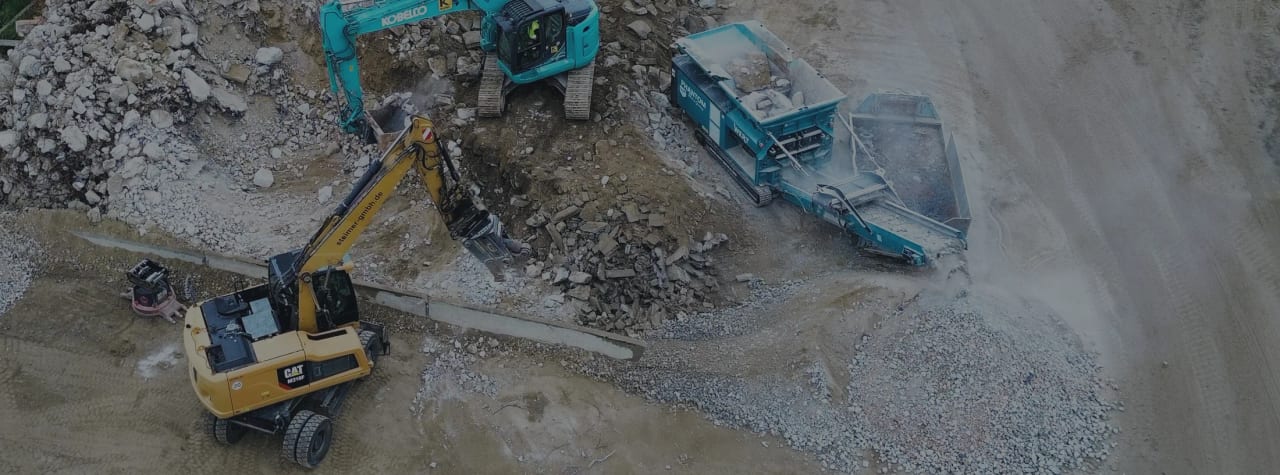
Process assessed construction & demolition (C&D) waste—including mixed debris, concrete, reinforced concrete and stone—with hammer shafts, controlled feed and the required screen system.
Mineral feed varies in size, hardness and reinforcement. Oversize pieces, steel content and inconsistent loading can all change production, wear and final output.
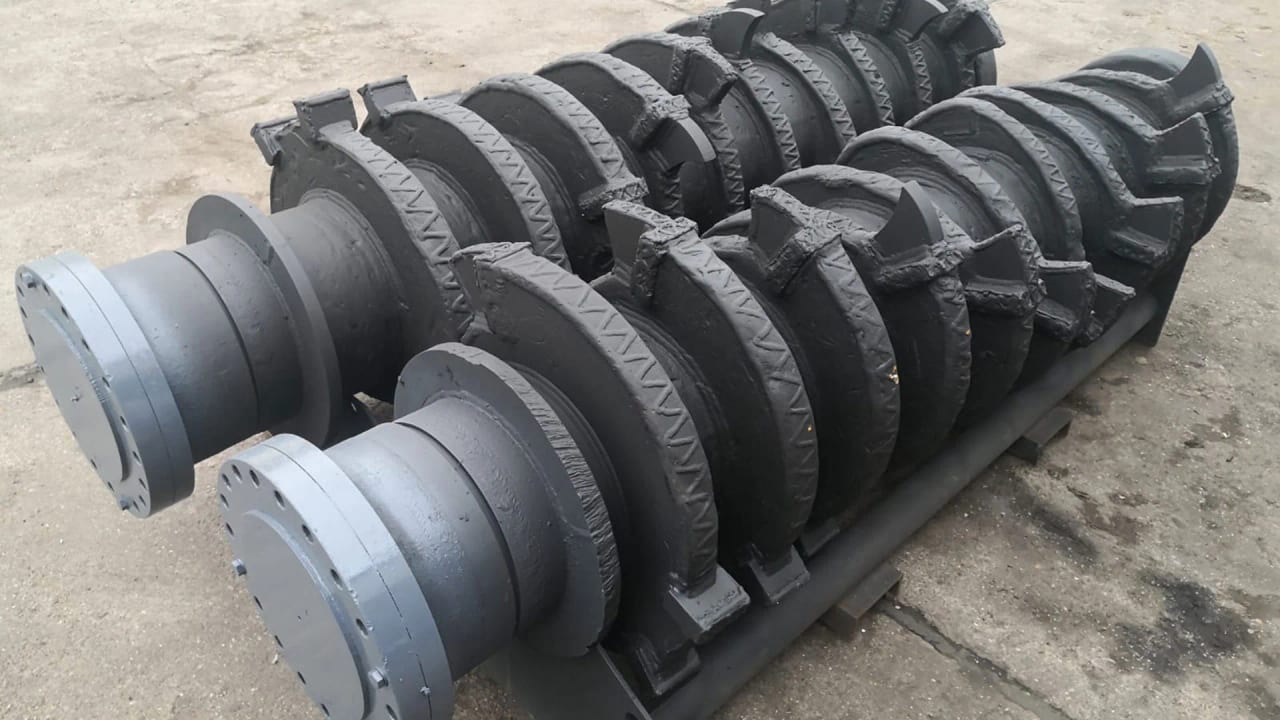
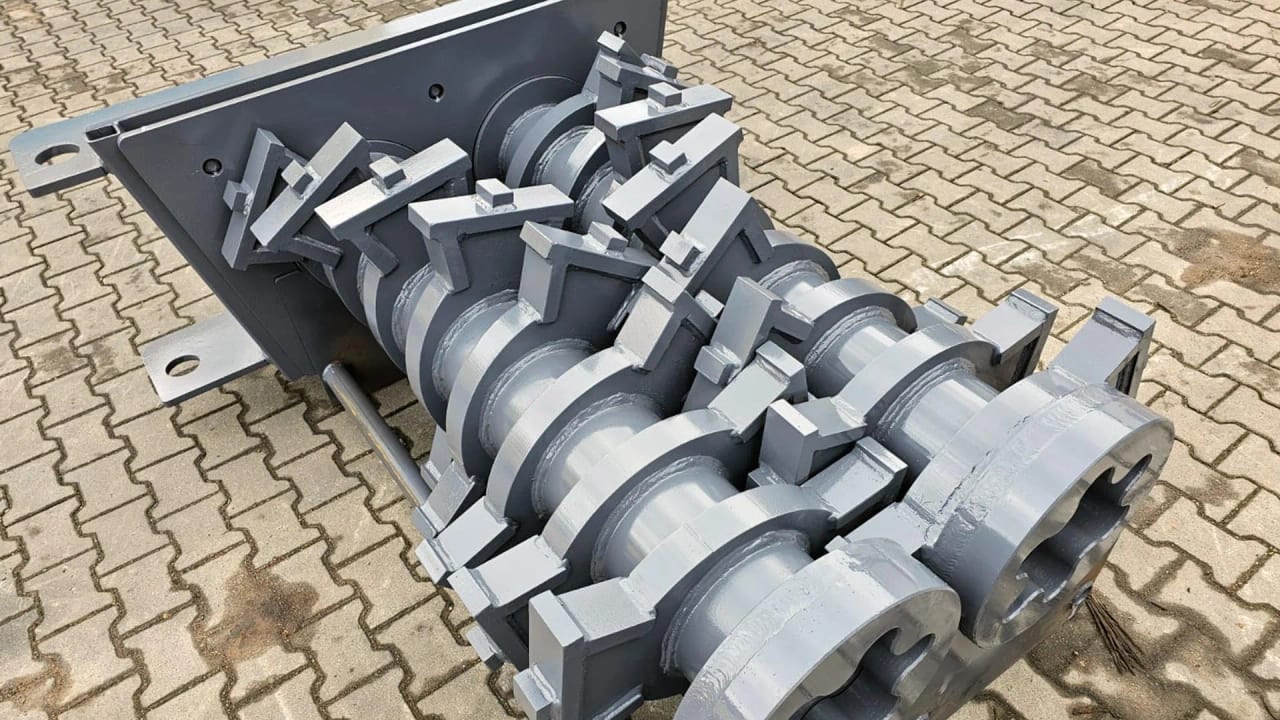
Slow-running twin shafts draw material into the cutting chamber. Hammer-shaft tooling applies a robust breaking action while the selected screen basket controls the discharge path. Reinforcement and contaminants still require a site-specific feed plan.
LIKELY CONFIGURATION DISCUSSION
These are starting points for assessment, not a final specification.
MATERIAL & PROCESS EVIDENCE
Official imagery and footage provide context; a representative demonstration should document the actual input condition and the output required by the next process.
MATERIAL-SPECIFIC WERT FOOTAGE
Use the footage to compare feed shape, loading, chamber behaviour and visible discharge. It is evidence for discussion, not a throughput guarantee.
OFFICIAL WERT VIDEO
Accessible video summary: Official WERT-channel footage showing the PHANTOM in a construction-material process.
Caption status: availability has not been independently verified. The player requests English captions when the publisher provides them.
Transcript status: no reviewed transcript is currently published. The written summary above provides a concise alternative; contact WERT UK for help with the technical content.
Playing the video connects your browser to YouTube’s privacy-enhanced player.
AVERAGE STATED THROUGHPUT
| Material | Average stated range |
|---|---|
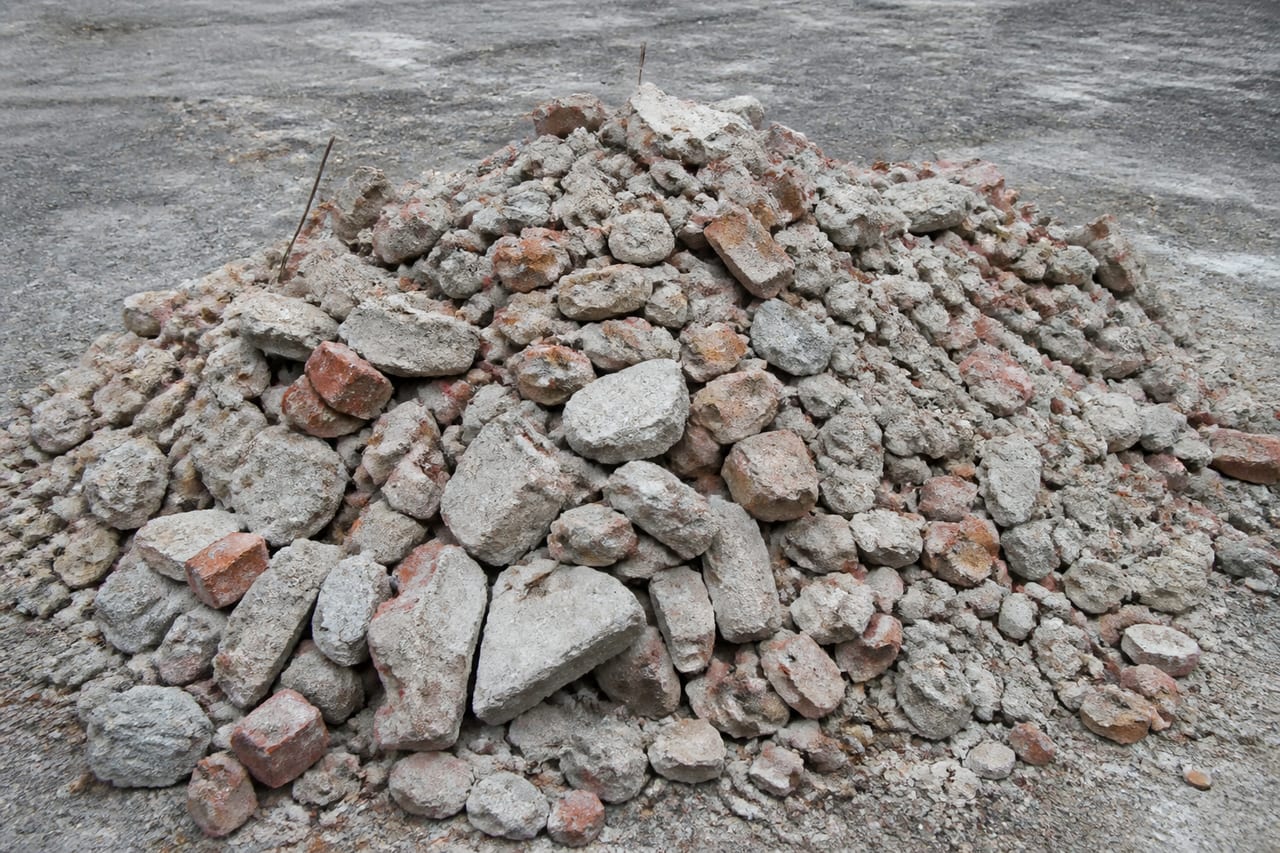 Construction debris | approximately 180–220 tonnes per hour |
Performance qualification. Performance figures are manufacturer-stated averages and are not guaranteed. Actual throughput will vary according to material, shaft configuration, screen-basket settings, material feed and operating conditions.
PERFORMANCE VARIABLES
MODEL CONSIDERATIONS
Standard, Plus and Hyperion share the same stated shaft geometry and torque. Power supply, duty cycle, feed severity and site infrastructure determine which drive configuration merits testing.
MAINTENANCE CONSIDERATIONS
Plan inspection around hammer faces, wear plates, breaker bars and the screen basket. Rotatable hammer tooling is designed to expose further working surfaces, but service intervals depend on actual abrasion and contaminants.
RELATED SHAFTS
APPLICATION FAQ
Reinforced concrete is listed by WERT for the hammer-shaft configuration. Final suitability, feed size and steel-handling method must be confirmed through material assessment.
No. WERT publishes screen configurations from approximately 0–35 mm to 0–100 mm for selected mineral applications, but actual output depends on the complete machine, shaft, screen and feed configuration.
There is no universal choice. The operating pattern, electrical supply, transport plan and trial material should determine the model discussion.
ENQUIRY DETAILS
The more representative the information, the more useful the next technical discussion can be. Required fields are marked by your browser.