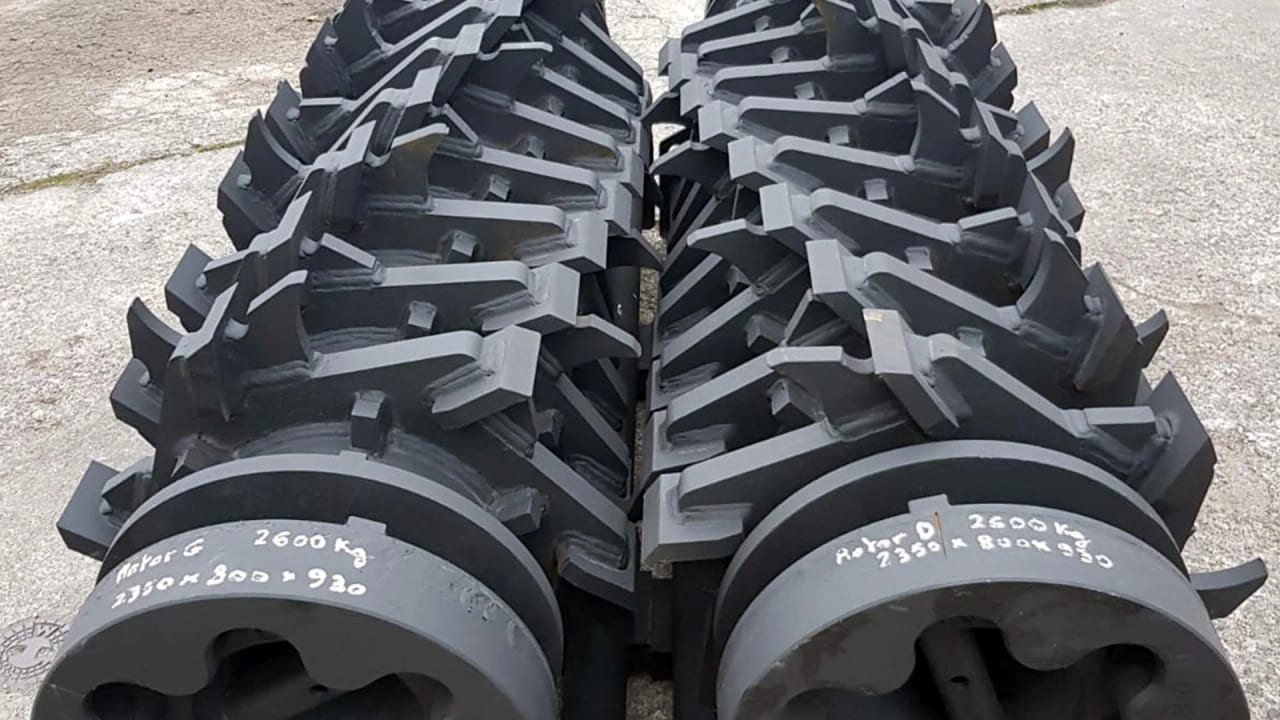
The operational challenge
Low-density material can bridge, wrap or feed inconsistently. Films, baling wire, moisture and mixed rigid items change both chamber behaviour and downstream separation.
Bulky waste · Commercial waste · Construction & demolition waste
LIGHTER MATERIALS
Prepare paper, plastics and selected mixed materials with shafts chosen for controlled draw-in, tearing and the downstream sorting process.
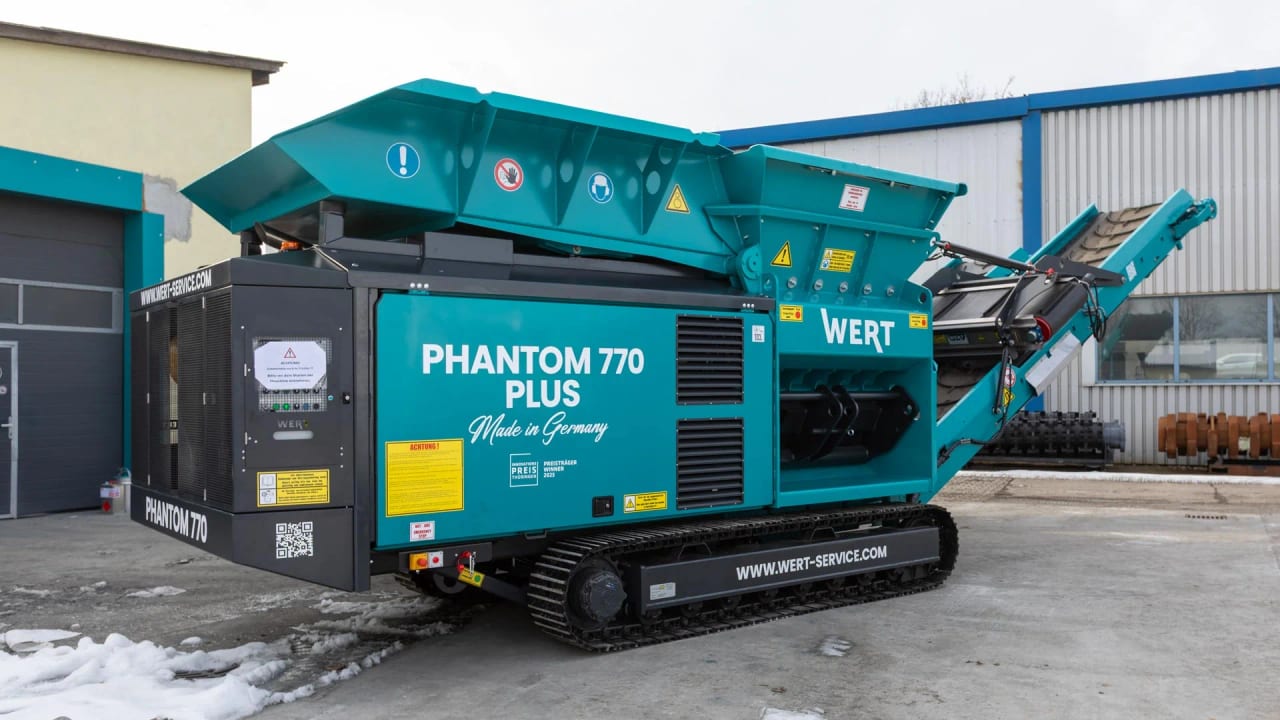
Low-density material can bridge, wrap or feed inconsistently. Films, baling wire, moisture and mixed rigid items change both chamber behaviour and downstream separation.
Star or combination shafts grip and reduce the feed while the hopper supports controlled presentation. A screen may be used where the assessed downstream process benefits from a tighter output range.
LIKELY CONFIGURATION DISCUSSION
These are starting points for assessment, not a final specification.
MATERIAL & PROCESS EVIDENCE
Official imagery and footage provide context; a representative demonstration should document the actual input condition and the output required by the next process.
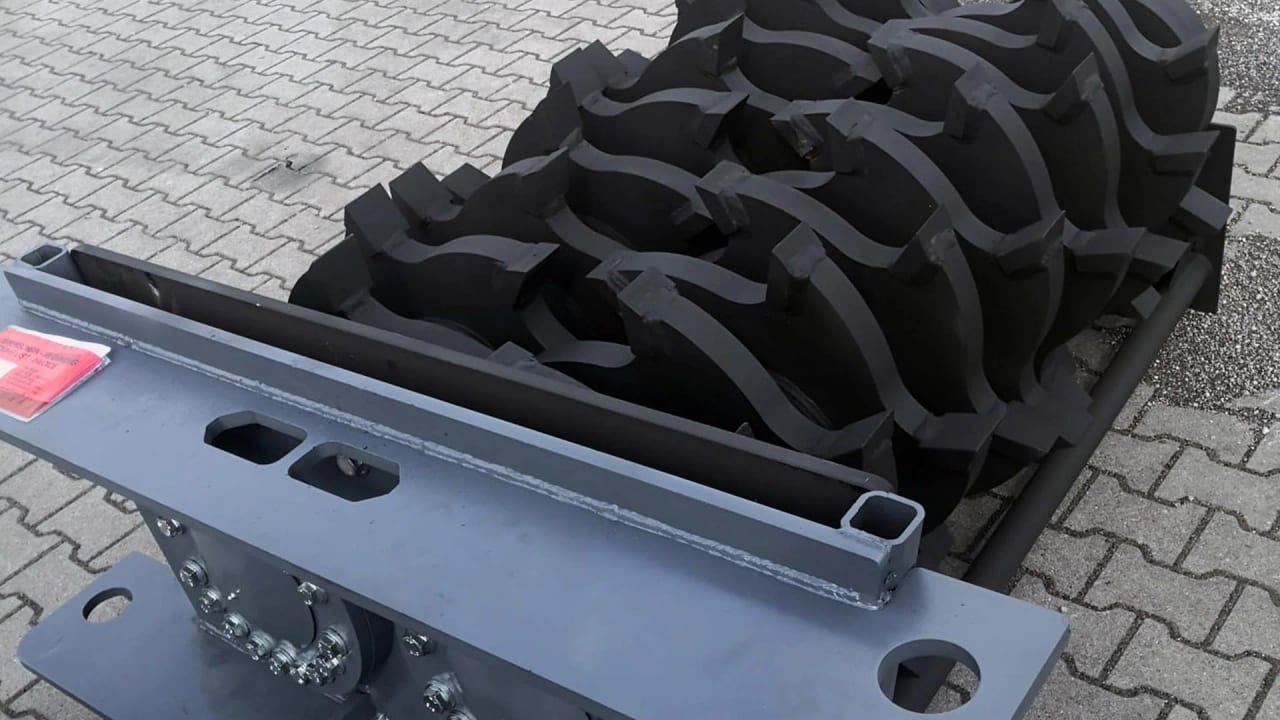
OFFICIAL PLATFORM FOOTAGE
No material-specific WERT-channel clip is presented for this feed. The general PHANTOM film shows the platform only; arrange a representative assessment for the actual input and output requirement.
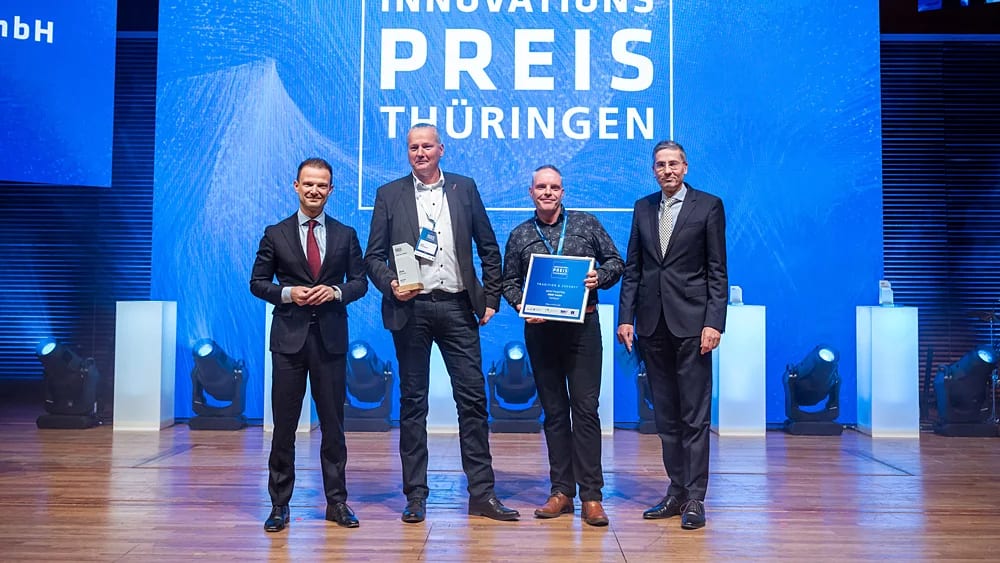
OFFICIAL WERT VIDEO
Accessible video summary: Official WERT Recycling Technik film introducing the PHANTOM platform and its innovation-award case.
Caption status: availability has not been independently verified. The player requests English captions when the publisher provides them.
Transcript status: no reviewed transcript is currently published. The written summary above provides a concise alternative; contact WERT UK for help with the technical content.
Playing the video connects your browser to YouTube’s privacy-enhanced player.
AVERAGE STATED THROUGHPUT
| Material | Average stated range |
|---|---|
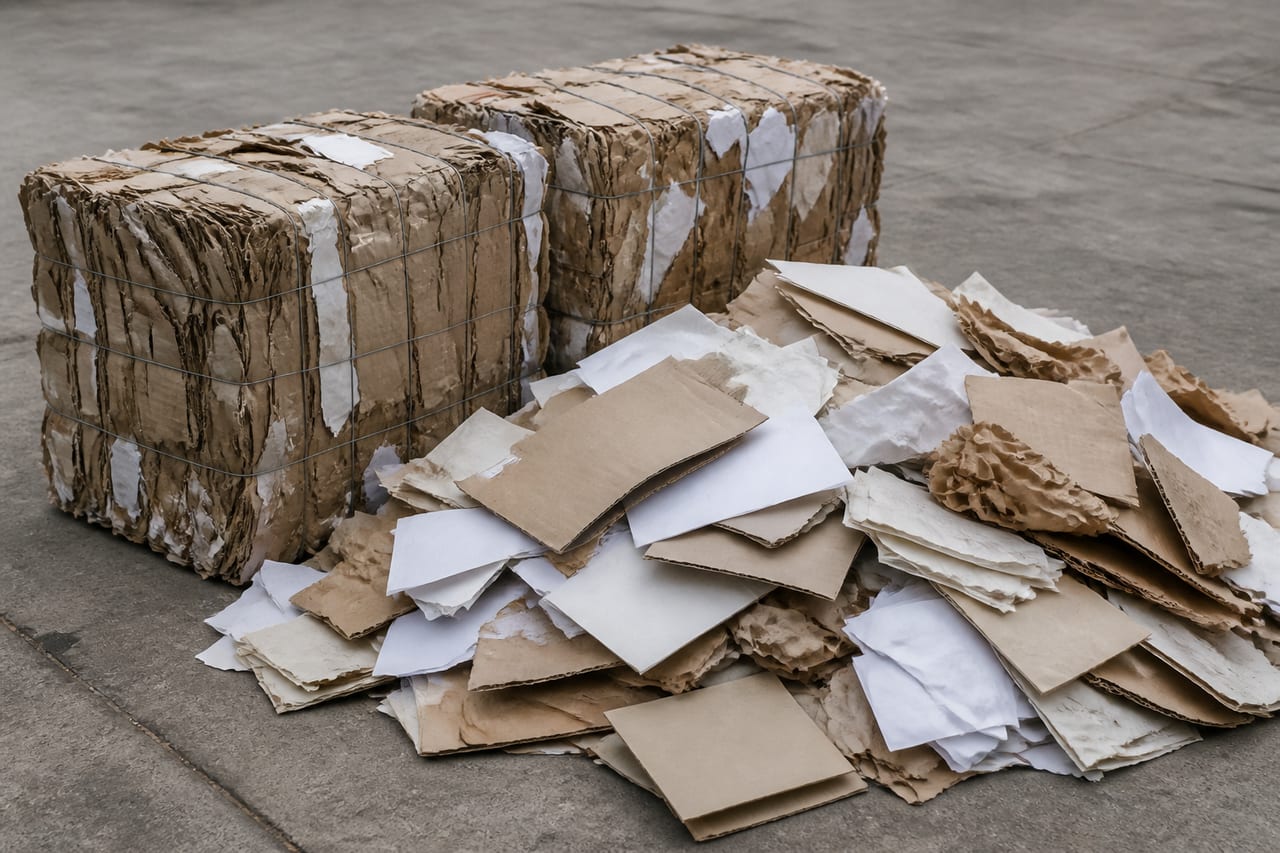 Paper | approximately 12–19 tonnes per hour |
Performance qualification. Performance figures are manufacturer-stated averages and are not guaranteed. Actual throughput will vary according to material, shaft configuration, screen-basket settings, material feed and operating conditions.
PERFORMANCE VARIABLES
MODEL CONSIDERATIONS
For lightweight streams, stable feed and shaft behaviour may matter more than headline power. Validate the complete process at demonstration.
MAINTENANCE CONSIDERATIONS
Plan regular removal of wrapped films and wire, keep sensors and cooling areas clean, and inspect cutting edges for uneven wear.
RELATED SHAFTS
APPLICATION FAQ
The current average stated range is approximately 12–19 tonnes per hour under suitable conditions.
Selected plastics and mixed materials are listed applications, but film content, rigid plastics and contaminants need separate assessment.
No. Interchangeability expands the machine's operating envelope; it does not remove the need to select a configuration for each stream.
ENQUIRY DETAILS
The more representative the information, the more useful the next technical discussion can be. Required fields are marked by your browser.